

In general, all growers know that plants need the below to grow large and strong, and to yield their optimum capacity for fruit or flowers.
Air pruning pots work by using air to prune the roots of the growing plant.
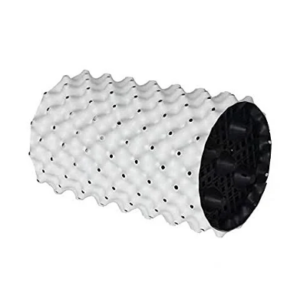
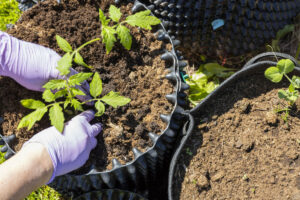
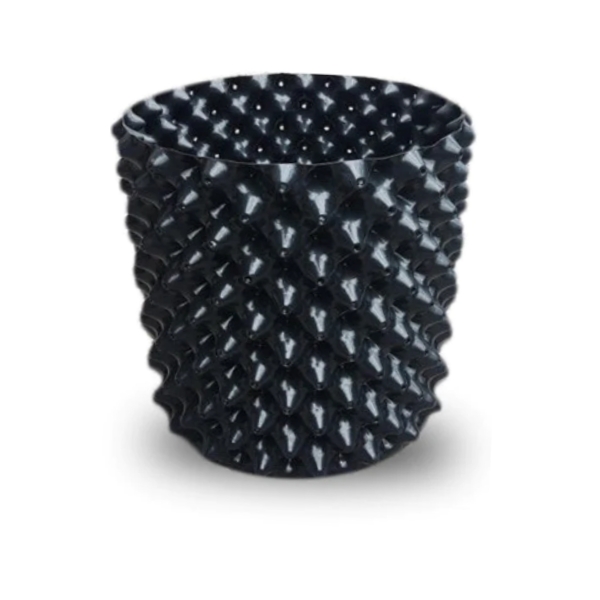
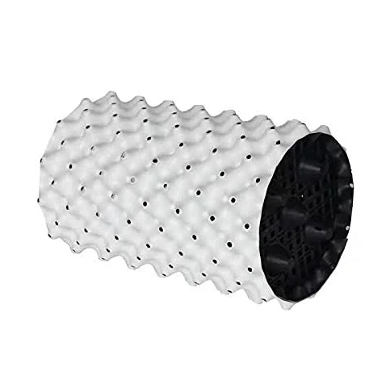
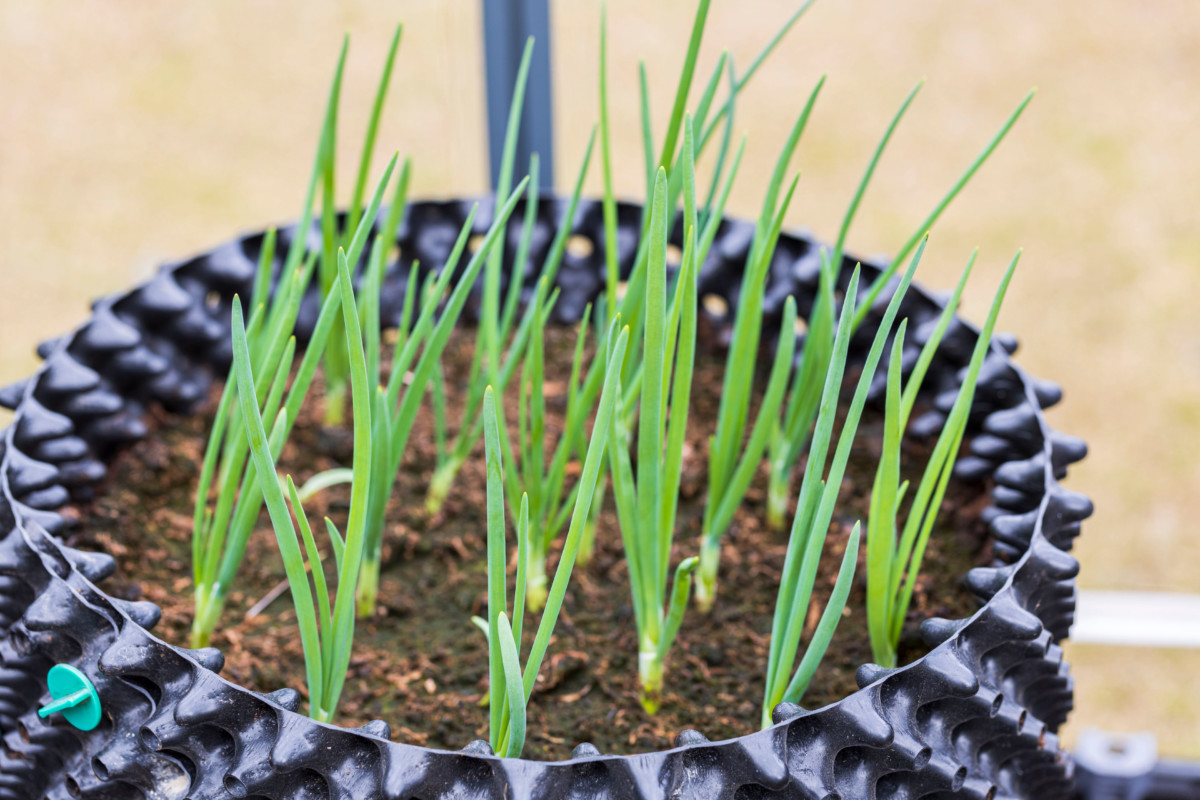
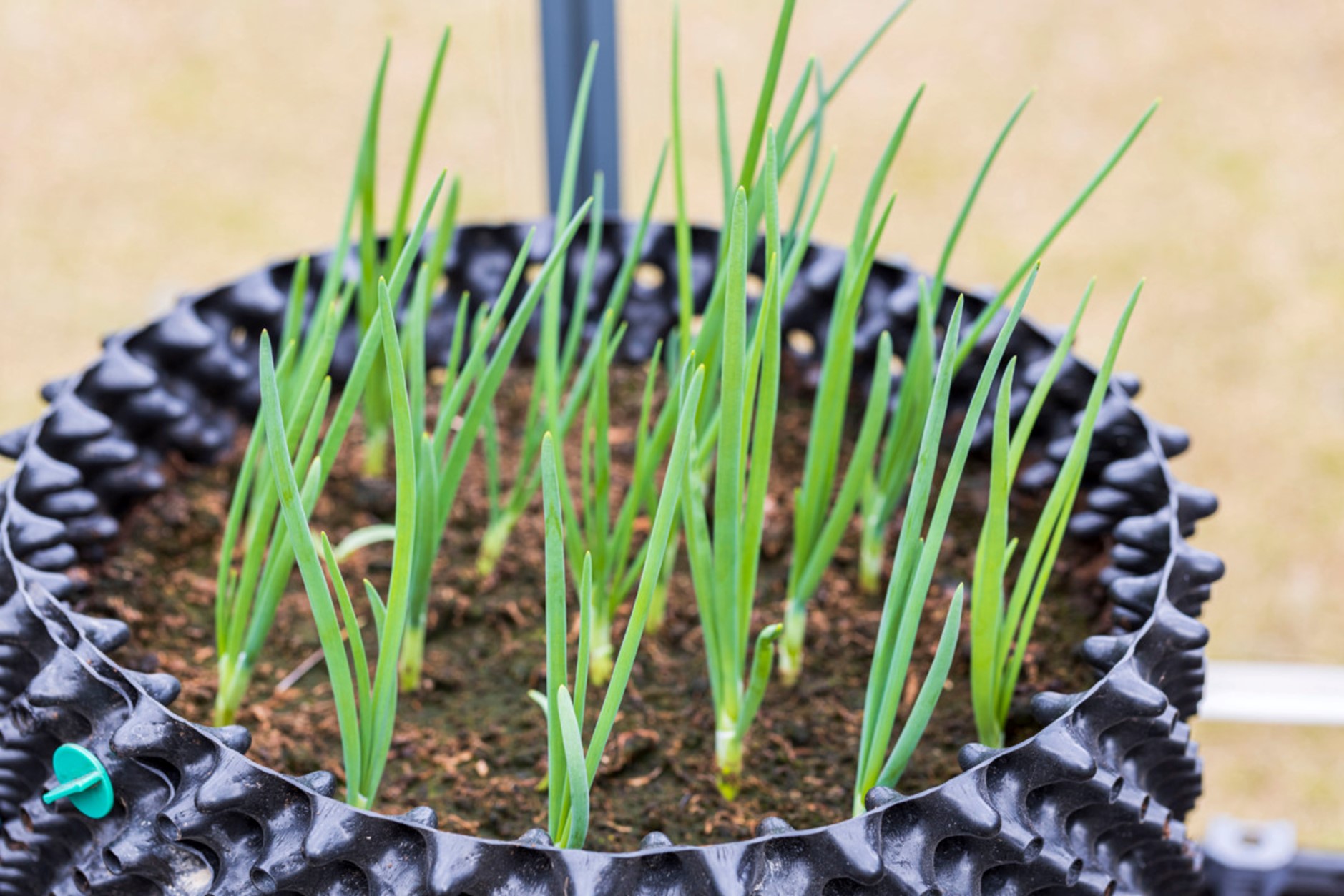
As seen in the photo alongside, the cones on the inside of the pot direct the roots to grow toward their holes facing the outside of the pot.
As the roots reach these tiny holes, they are exposed to the air, and they dry out and die back a little. This is exactly what is needed, as it sends an enzymatic message to the plant to produce new root growth along the now-trimmed root. As more and more root tips reach the air, the plant receives more signals to put out more roots.
In the end, there is a denser root ball with an increased surface area, which means the plant can take up more water and nutrients.
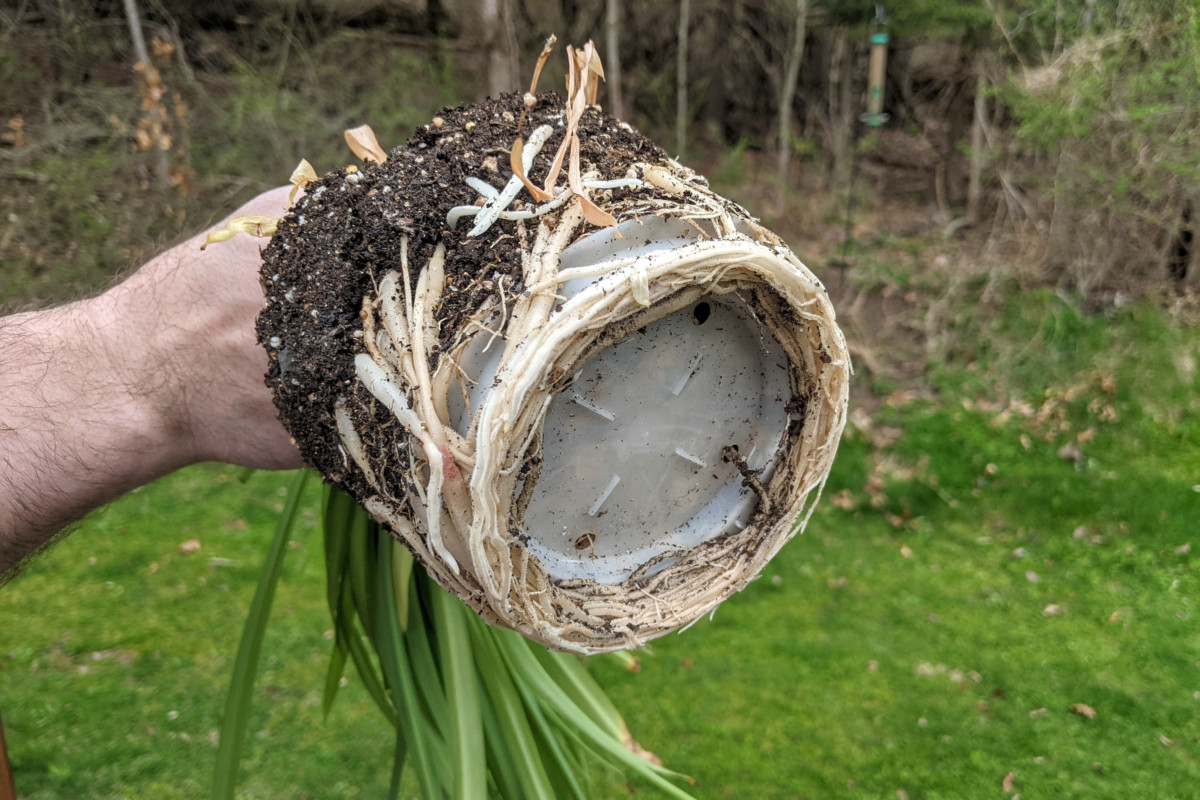
This air-pruning also eliminates root-circling, which is a problem when using traditional growing pots.
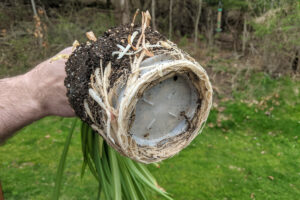
When a plant is grown in a traditional container, the roots are not exposed to air, so as the plant grows, so do the roots. Once the roots hit the sides of the pot, they will continue to grow, circling around inside the pot.
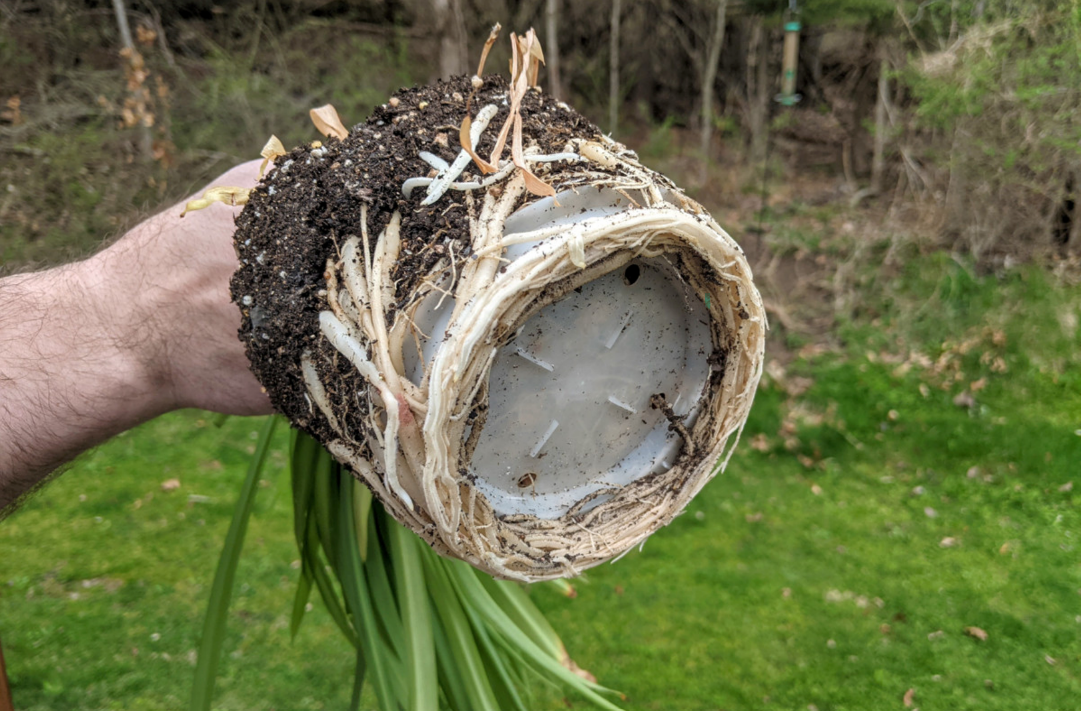
The circular roots of this plant ended up growing around the bottom of the pot several times.
Over time this unchecked root growth pushes soil and the plant up out of the pot. If left for too long, these circling roots can put enough pressure on the stem to prevent water and nutrient uptake. In short, the plant strangles itself.
Mycorrhizae are microscopic naturally occurring fungi in most soil that form a symbiotic relationship with the plants growing around them. These fungi actually permeate the roots and become a part of the plant’s root structure. This is very positive as it significantly increases the surface area of the root system. Because the root system is larger, it can access more water in the soil, meaning the plants don’t need to be watered as often.
Air pruning pots are highly beneficial for mycorrhiza. By encouraging more root growth, you have a greater surface area for beneficial bacteria and fungi to attach to. In turn, these naturally occurring microorganisms in the soil “pre-digest” nutrients, making them easier for the plant to absorb.
All of this leads to healthier, stronger plants with higher drought tolerance and disease resistance which in turn leads to the largest yields.
In summary, air pruning pots work to improve the root system, which in turn gives rapid plant growth.
There are a few downsides to consider when deciding if this type of pot will work for your saplings or blue berries


